Fire Safety
1) HVAC maintenance: Dust can settle over capacitors and other electrical components and cause tracking faults, which can create fires. Running multiple cooling units together consistently and for long periods of time can result in overloading and overheating, which also presents an opportunity for fires to start.
2) Exhaust fan cleaning: Clean out your exhaust fans regularly and clear debris out of the vents. Avoid running fans consistently for long periods.
3) Lawn mower care: Follow the manufacturer’s recommended maintenance schedule on your mowing equipment. Remember to regularly remove debris and grass clippings from cutting units, mufflers, and engines. Never refuel a lawn mower if it’s overheated.
4) Gas storage: Fire risk is heightened by high ambient temperatures and relief valves that open at too-low pressures. Store gas cylinders upright and never indoors.
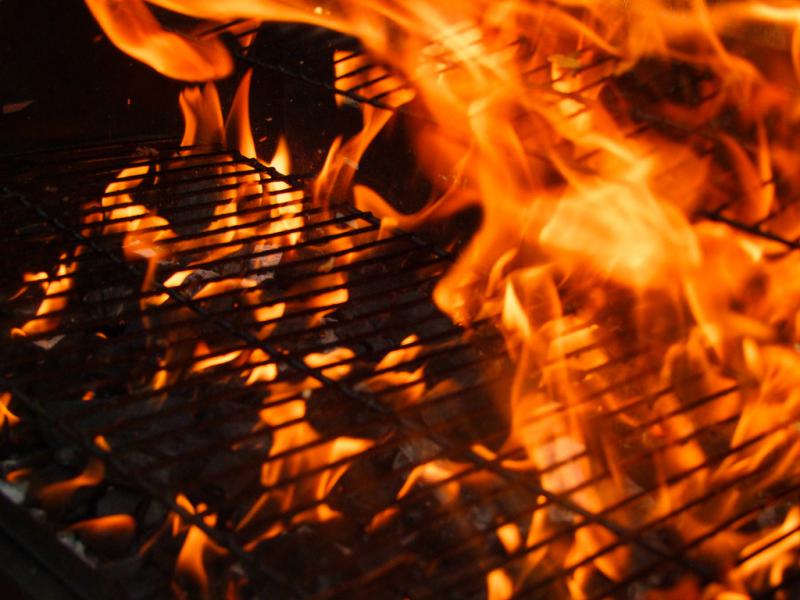
5) Grilling safety: Do you keep a grill on site for company cookouts? Keep it away from your facility and any overhanging branches. Maintain a safe zone of 3 feet around the grill. Regularly remove grease and gat buildup from the grills and the trays below the grilling components. Never leave a grill unattended no matter what.
6) Alarm audits: Your preventive maintenance should include fire alarm testing. Replace any old or burned out batteries regularly. A certified fire protection provider can help you streamline your fire protection program and keep track of required inspections.
7) Do not use under rated extension cords to power your air conditioners, use a heavy duty appliance rated cord if necessary but is strongly recommended to directly plug them into the wall outlet.
Pool Safety
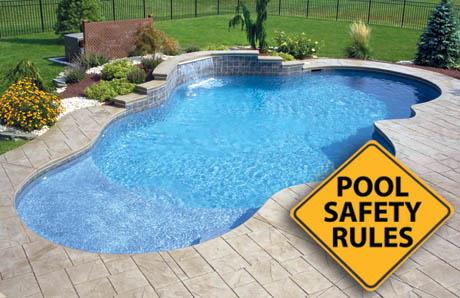
8) Secure your pool with appropriate barriers. Completely surround your pool with a 4-feet high fence or barrier with a self-closing, self-latching gate. Place a safety cover on the pool or hot tub when not in use and remove any ladders or steps used for access. Consider installing a pool alarm that goes off if anyone enters the pool.
9) Keep children under active supervision at all times. Stay in arm’s reach of young kids. Designate a responsible person to watch the water when people are in the pool—never allow anyone to swim alone. Have young or inexperienced swimmers wear a U.S. Coast Guard-approved life jacket.
10) Ensure everyone in the home knows how to swim well by enrolling them in age-appropriate water orientation and learn-to-swim courses from the Red Cross.
11) Keep your pool or hot tub water clean and clear. Maintain proper chemical levels, circulation and filtration. Regularly test and adjust the chemical levels to minimize the risk of earaches, rashes or more serious diseases.
12) Establish and enforce rules and safe behaviors, such as “no diving,” “stay away from drain covers,” “swim with a buddy” and “walk please.”
13) Ensure everyone in the home knows how to respond to aquatic emergencies by having appropriate safety equipment and taking water safety, first aid and CPR courses from the Red Cross. |



 Add a Comment
